

Most clients arrive at the studio in one of two states.
They either believe that they have no idea what they want – or they are completely certain that they know exactly what they need to tell the designer. In practice the truth is somewhere in the middle – he client who feels uncertain often carries more vision than they realise, buried under the feeling that they should know more before the conversation begins. The client who arrives certain often has a collection of details they love – vivid, specific, meaningful - but the details have yet not found each other. There are fragments, but not yet a cohesive world.
No one is right or wrong. Both of those clients are exactly the right place to start working with us – the design process begins exactly where the client is.
The brief is never just the brief.
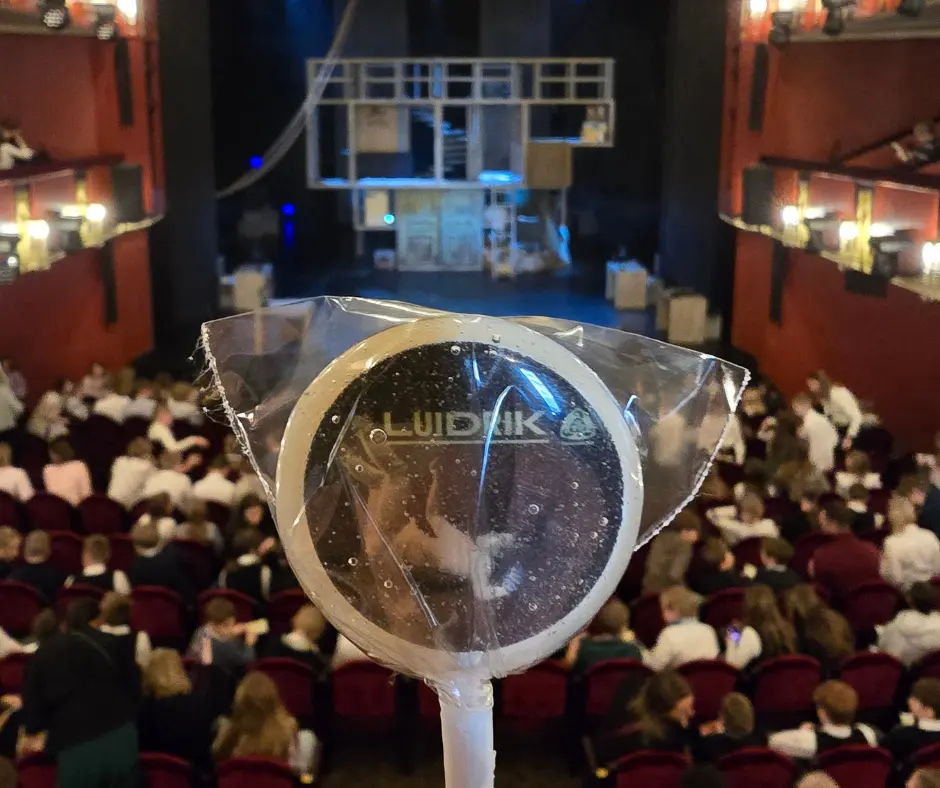
What a client describes wanting and what they are really dreaming of are almost always different things – not because the vision isn't there, but because it has not yet been spoken out loud. The dream lives somewhere beneath the list of references, timelines, limitations and requests, waiting for the right questions to draw it to the surface.
This is why the first conversation at Crazy Hedgehog is rarely about the final product. It is about the imaginary world the client already might have living in their head – the feeling they want guests to carry home, the atmosphere they've been picturing without quite having words for it yet.
Ideas, it turns out, love to be talked about. They grow in conversation and expand when they are dreamed bigger. What arrives as a half-formed instinct often becomes, through dialogue, something far more precise and far more alive than the original version would ever have been.
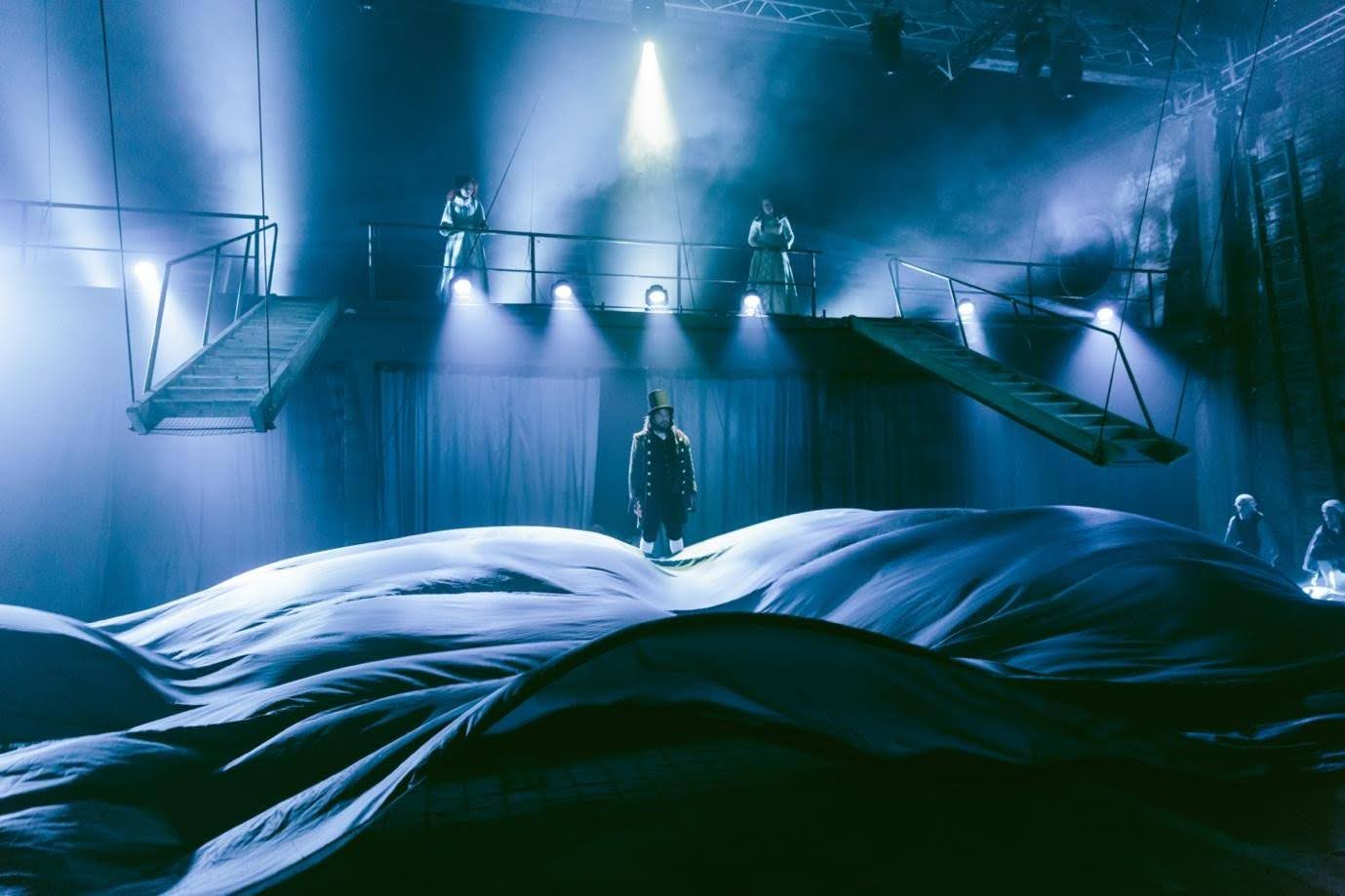
On a bare concrete floor in an old boiler house – seven meters high – a production of Gulliver's Travels once found its world.
The space was vast and unforgiving. The budget was limited. There was neither time nor money to constantly change the sets between the scenes. And so the design made a different choice: as little as possible.
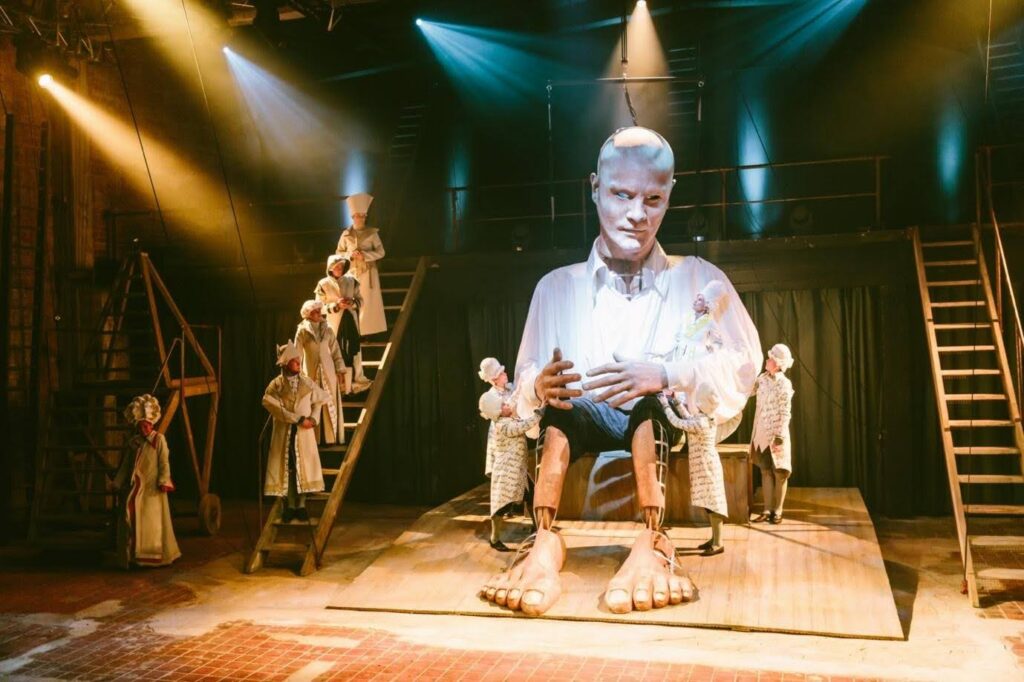
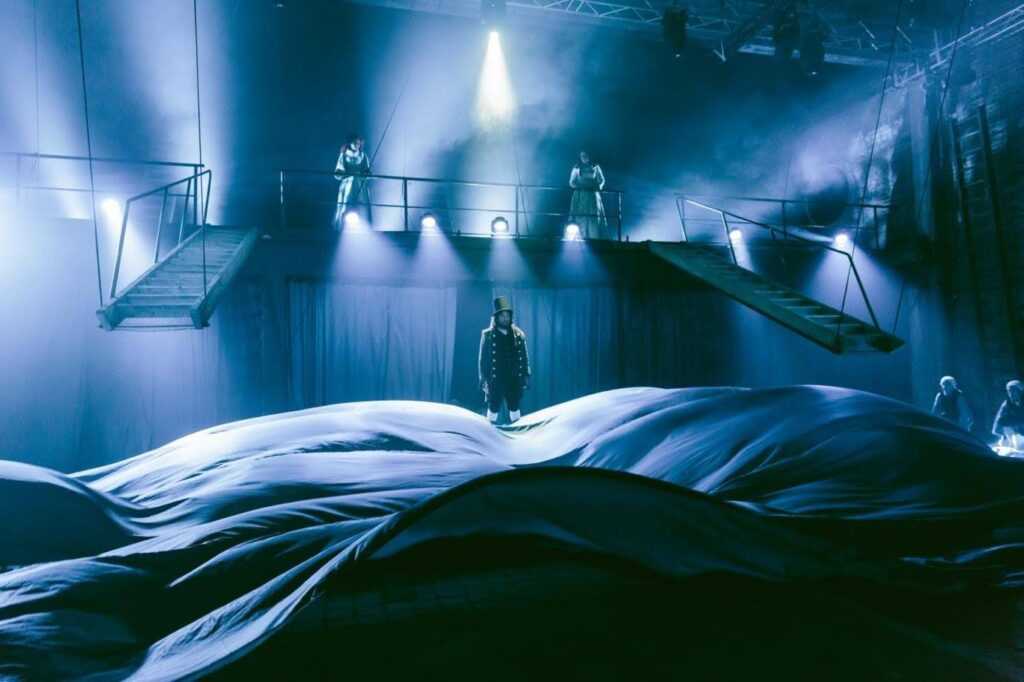
A low wooden platform in the centre of the floor. Two staircases fixed to the ceiling – functional as stairs, transformable into the rigging of a ship at sea, capable of being raised and lowered so actors could hang suspended in the air during a storm, the crew of a vessel in full weather. Lengths of grey fabric, moved by hand, became waves. The storm was real.
But the true centre of that world was the actor. The costumes were extravagant, fairy-tale like, chromatic. The set was minimal in colour and detail precisely so that the costumes could be seen. The bare stage was not an absence – it was a frame. It said to the audience: look, here. This detail here matters.
A 7-meter Gulliver doll hoisted to the ceiling, a replica of the lead actor. Fifty-centimetre fragile Lilliputians populating the stairs. Giants wearing grotesque padded costumes, enormous and bouncy, flapping with excess. The difference of scale became the language – and because the stage itself acted like a canvas, every shift and every detail landed with full force.
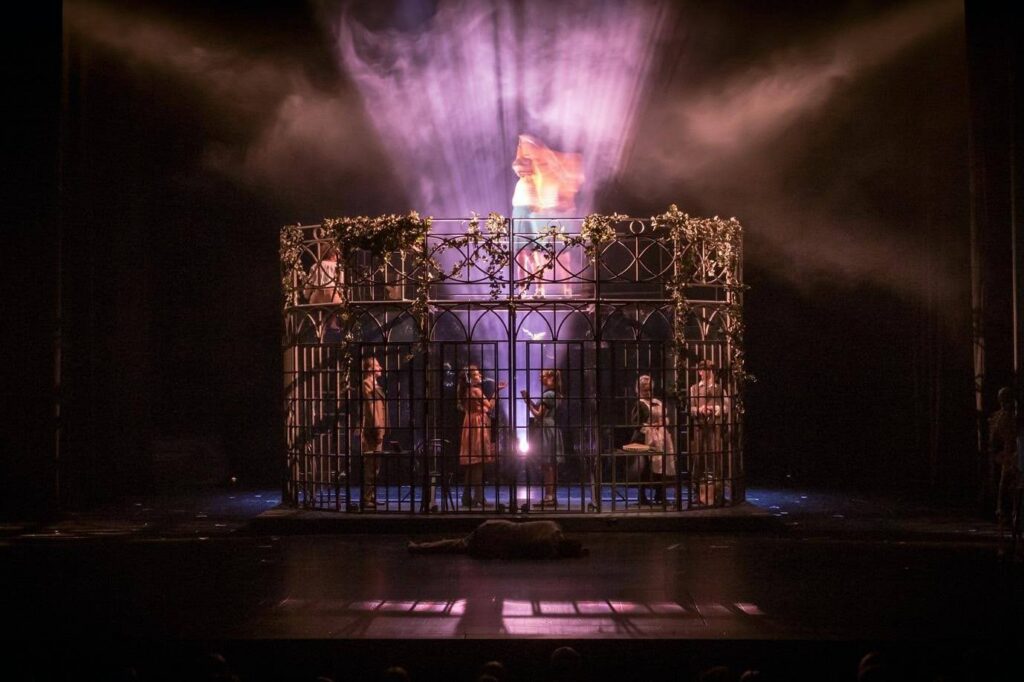
If everything is significant, nothing is. When the design holds back, the details it chooses to offer become extraordinary.
The one principle that works for both – theatre and edible installations – but with one important difference.
In set design, the highest compliment is... invisibility. When the audience feels they have walked into a world that has always existed, not one built for the performance. A world where they can get lost and forget the reality. When a barn theatre was transformed for a production that took place in the American Southwest, the disappearing world of a Native tribe – old wood, decay, the weight of obligation from the elders colliding with the stress of not having a purpose – audiences who had seen other performances in the same room sent messages afterward saying: it feels like this room finally looks the way it always should have been.
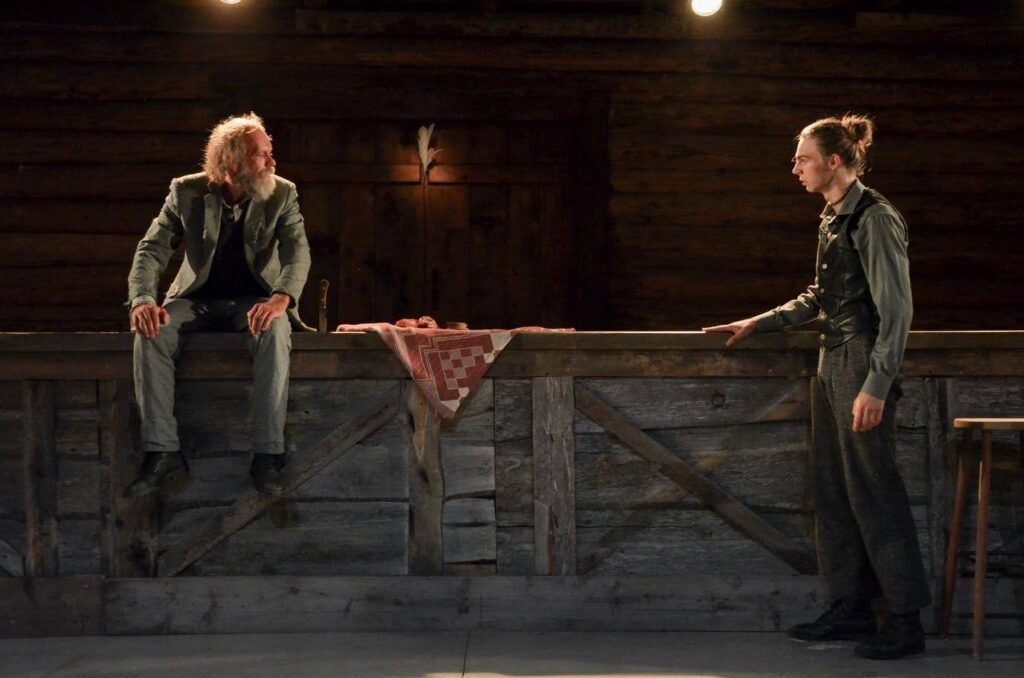
That is the target in theatre. Inevitability.
In edible installation work, the target is different. The installation is not meant to merge with the room and disappear – it is meant to create the moment, be the moment. Guests should walk toward it. They should stop. The feeling being worked toward is how can this even be here – the astonishment of finding something so precise, so considered, so fully realised in a space, that it seems both impossible and completely right.
The discipline is the same, but the intention completely opposite.
What a good brief actually looks like
Clients often assume the studio wants the brief to be as polished as possible – a clean, composed starting point, something already edited down to the essentials. Actually it is the opposite.
Bring everything. The images that feel right even if you can't explain why. The ideas that were mentioned once and then dismissed as too much. The joke someone made in a planning meeting that made the room laugh and is still talked about. The version of this project that exists only in a someone’s imagination, the one that seems impossible, the one that has maybe even never been said out loud.
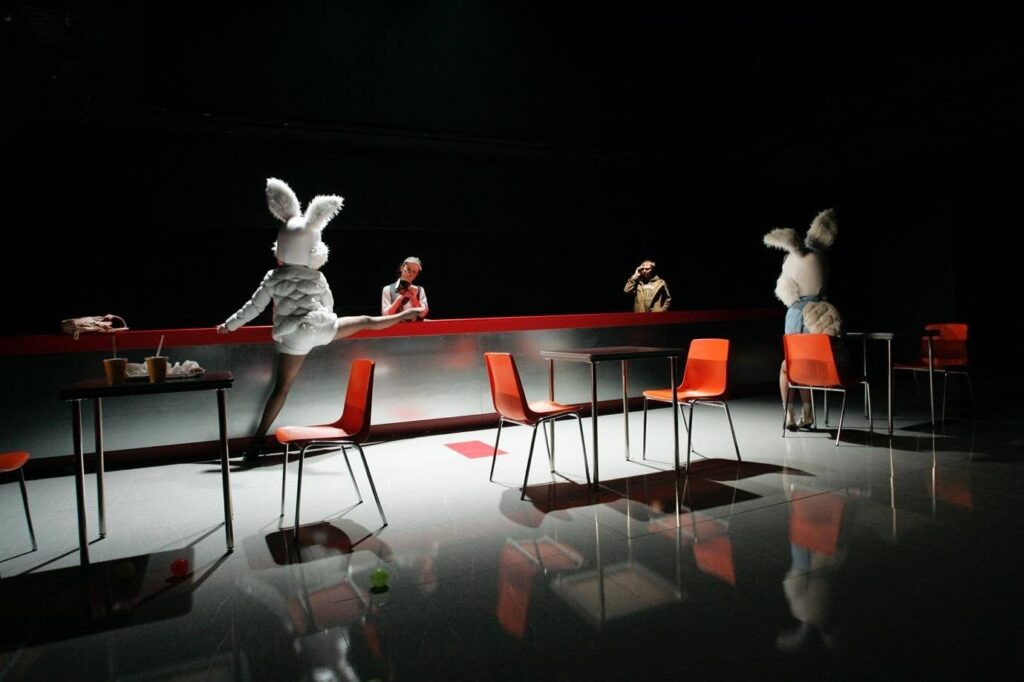
This is where the real project almost always lives. The detail no one thought was serious about. The impossible idea that in reality turns out to have two or three completely achievable options. The thing that was said as a joke and that is, in fact, exactly right.
Don't worry about not being ready enough. Don't postpone the conversation because the brief isn't settled. Just come. Bring everything you have – to the last bit, including all contradictory thoughts – and through conversation, we'll find the truth in the middle. And if something doesn't feel quite right – just say so. Shared information is a solved problem. An unvoiced concern, however, has a tendency to grow and spiral out of control. This direction isn't it, but I like THAT detail there – is already enough. And often exactly the right starting point.
When is it clear if it will work
In almost every process, there's a moment of uncertainty somewhere. When the project hasn't yet found its right form and path. In twenty years of theater, there hasn't been a project that stayed stuck in that moment forever – but that moment almost always comes. That's okay.
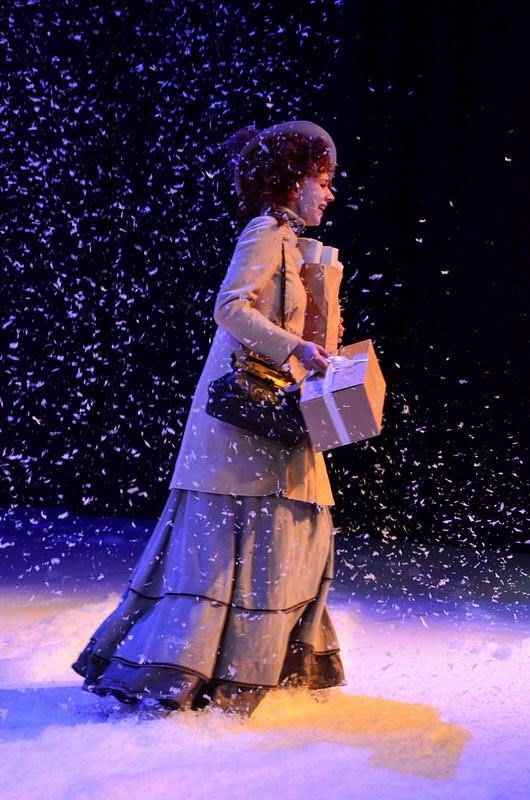
And then there's that other moment. THE moment. The designer says one sentence, points to a certain detail, shows a certain picture, and the client changes. Their gaze sharpens, the energy in the room shifts, focus converges – that is the moment when the answer has revealed itself and the design process can truly begin.
This is how worlds are created.
These two worlds – the edible and the theatrical – have many similar components. The material is different, but the design process is similar. Every element must serve the whole. And the whole must feel stunning and inevitable.
The most important thing that theater has taught through all sorts of projects and twenty years is: Dare to dream.
Bring us everything – and we'll make something out of it.
Perhaps not exactly what you imagined. But often significantly better.